
Phoenix Recycling Group has announced a strategic partnership with Sumitomo Corporation to undertake a prefeasibility study assessing the potential development of an onshore lithium-ion battery processing facility in New Zealand.
The Memoranda of Understanding (MOU) signed between the parties will evaluate the infrastructure, market scale, logistics and processing requirements needed to support local battery pre-processing capability.
The initiative comes in the wake of a directive from the Japanese Government to establish circular return pathways for battery materials. Establishing a domestic resource circulation model that recovers battery resources used both domestically and overseas is viewed as essential to supporting the stable procurement of critical minerals within Japan.
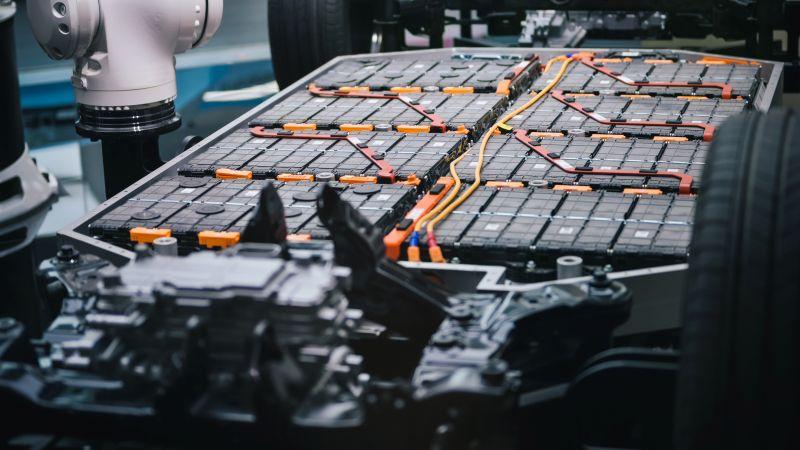
The study will focus on the future potential for lithium-ion batteries collected within New Zealand to be safely processed into “black mass”, an intermediate material containing valuable critical minerals such as lithium, nickel and cobalt, before being refined and reused in the manufacture of new battery materials.
The collaboration will assess:
- The size and future growth of New Zealand’s lithium-ion battery market to better understand upcoming end-of-life battery volumes from technologies such as electric vehicles and energy storage systems
- Infrastructure and operational requirements for an onshore lithium-ion battery processing facility
- Opportunities to support a future circular economy for lithium-ion battery materials within New Zealand
Phoenix Recycling Group’s GM of Product Stewardship & Sustainability, Jasmine Faulkner, explains the initiative represents a major milestone for battery stewardship and resource recovery within New Zealand.
“New Zealand has experienced significant uptake in technologies reliant on lithium-ion batteries, particularly electric vehicles and energy storage systems. It is imperative we establish responsible end-of-life pathways for these recoverable resources before battery volumes increase further.”
“Lithium battery recycling in New Zealand currently relies heavily on offshore processing solutions. Establishing onshore processing capability within New Zealand would represent a significant step forward for New Zealand, while also reducing the need to dispose of damaged or compromised lithium batteries that currently cannot be exported for recycling due to transport safety restrictions.”
Phoenix launched its national “No Battery Left Behind” campaign in 2023 to ensure New Zealand has a responsible end-of-life solution for all battery types. Since launch, the company has partnered with
more than 160 suppliers nationwide and actively supports battery collections from over 350 locations across the country.
To date, Phoenix has diverted more than 768,000 kilograms of Alkaline, Nickel and Lithium based batteries from landfill for recycling, including over 148,000 kilograms of lithium batteries.
As one of New Zealand’s largest locally owned metal recycling businesses, Phoenix currently operates 19 nationwide sites accepting waste batteries for recycling and provides verified downstream recycling solutions for a broad range of battery chemistries.
Faulkner said the partnership aligns strongly with Phoenix’s long-term objective of developing greater local processing capability for lithium-ion batteries.
“Our goal has always been to secure sufficient lithium-ion feedstock to justify an onshore facility. This study will help determine the technical and commercial requirements needed to support that future.”
“Collaboration across local industry, OEMs and battery suppliers will be critical to the success of this prefeasibility study as we work to better understand New Zealand’s future battery volumes and build sufficient feedstock to support a viable onshore processing solution.”
“Both Phoenix and Sumitomo strongly believe that successful onshore battery processing capability in New Zealand will require collaboration between government, industry and international partners.”