
Across industries, maintenance teams are under growing pressure to maximise equipment uptime, control costs and extend asset life. Yet many gearbox failures are not caused by the equipment itself but stem from decisions made well before a machine enters service.
Reynhardt Schutte, Mechanical Engineer – Technical Sales, Bonfiglioli Transmission New Zealand, unpacks why a comprehensive approach to drive systems – from selection and installation through to condition monitoring and maintenance – is essential.
He shares his three-step checklist:
Step 1: Design for reliability, from the start
Among the most critical - and often overlooked – factors in achieving long-term reliability are equipment selection, design and installation. “Without this foresight, smaller issues (such as a seal leak or bearing wear) can quickly escalate into major failures, resulting in extended downtime, secondary damage and higher repair costs. The impact can extend beyond equipment, affecting production schedules, safety and overall plant performance. Early intervention is always more cost-effective than reactive repair,” says Reynhardt.
He outlines four key considerations:
- Select based on the application - not just cost: Consider torque requirements, service factors, operating hours, load characteristics, environment, mounting position and future demands. “Selecting the correct solution from the beginning helps maximise efficiency, reliability and overall equipment lifespan while reducing the risk of premature failure or costly downtime,” he says. Avoid selecting equipment purely on upfront price, as undersizing or poor application matching can lead to premature failure. Plan equipment layouts that allow safe inspection and servicing access.
- Account for operating conditions: Take care not to misjudge shock loads, duty cycles, environmental exposure and future production changes all influence gearbox performance and can increase wear and long-term maintenance costs. “Another frequent issue is failing to consider how operations may evolve and scale, which can limit performance and increase long-term maintenance costs,” he adds. Consider standardising components across sites, to streamline maintenance and equipment management.
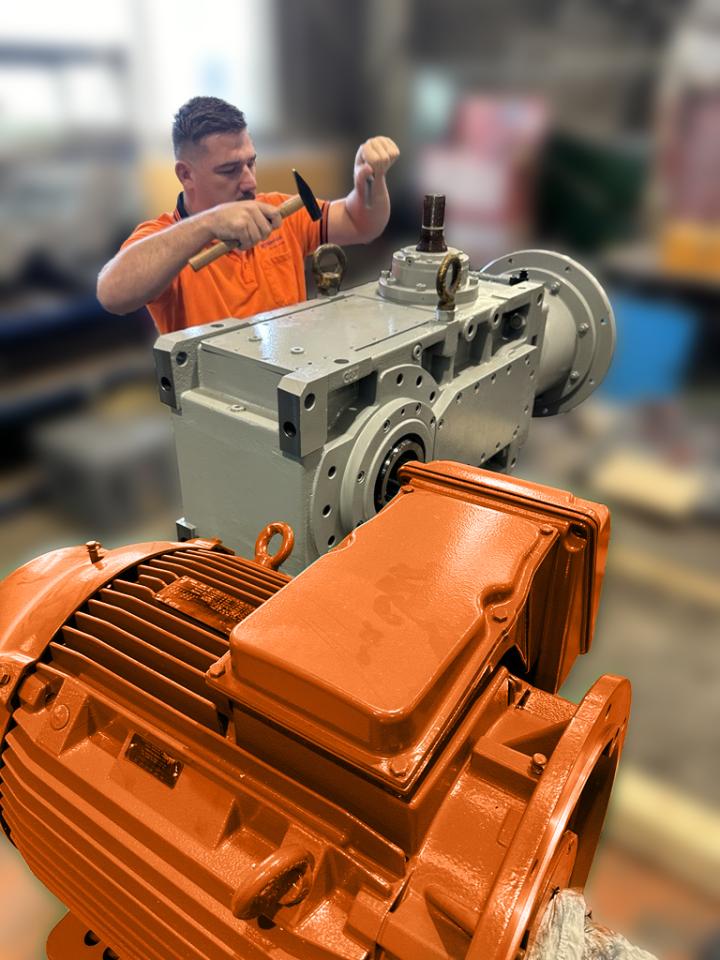
3. Prioritise correct installation: Alignment, torque settings, foundation rigidity and lubrication practices directly affect vibration, heat generation and internal stress.
Step 2: Implement a proactive maintenance strategy
“This improves equipment reliability and extends equipment life, while improving safety and reducing production interruptions,” says Reynhardt.
Regular inspections and condition monitoring techniques such as:
- Oil analysis
- Vibration monitoring
- Thermography
- Scheduled servicing
can help identify issues before they escalate into costly failures.
Beware of using incorrect lubricants, overfilling or underfilling oil, ignoring scheduled maintenance intervals or operating equipment beyond its design limits, warns Reynhardt. “Contamination during servicing and failure to monitor wear conditions can also significantly reduce equipment lifespan. Consistent adherence to manufacturer recommendations and maintenance procedures is essential for long-term reliability”.
Operator and maintenance team training are essential in ensuring the success of preventative maintenance.
Don’t ignore these gearbox warning signs:
- Abnormal noise
- Excessive vibration
- Overheating
- Oil leaks
- Inconsistent performance
- Increased power consumption
Step 3: Choose the right partner
Beyond equipment selection and maintenance practices, Reynhardt highlights the importance of working with the right partner – namely, those with strong technical expertise, industry experience, OEM -backed capability, and a proven understanding of both mechanical and application requirements.
“A reliable service partner should provide responsive technical training and support, diagnostics, preventative maintenance services and readily available genuine spare parts. Clear communication and quality workmanship further strengthen long-term partnerships,” concludes Reynhardt.