
The Guardian reports that Australian farmers are turning to electric machinery to save money and time in the face of soaring diesel costs. And it isn’t only Down Under; farmers around the world are exploring new ways to reduce costs and emissions in the face of rising fuel prices and climate pressures. But how many farms consider the integral role of precision components, like bearings, in this transformation? Here, Chris Johnson, managing director at SMB Bearings, explains why industrial bearings are vital to electrified farming.
They say necessity is the mother of invention — and this certainly applies to reduced diesel use in Australia’s farms. One farmer interviewed in The Guardian’s report noted that switching to electric equipment could add “a couple of hundred thousand” to his bottom line. But the shift is not just about economics.
Australia’s shift towards renewable-powered farming, such as electrified or hydrogen-powered equipment, is part of a broader worldwide reaction to economic and environmental pressures.
Lifecycle assessments (LCA) show clear environmental benefits to these approaches. A recent comparison between a hydrogen-powered tractor and a diesel equivalent, published in the International Journal of Hydrogen Energy, found a 34 per cent reduction in lifecycle emissions for the greener model.
Turning innovation into integration
While the benefits of renewable-powered agriculture are increasingly evident, reaping these rewards calls for a rethinking of the mechanical systems at the heart of every machine.
Heavy-duty farming equipment needs to operate under demanding conditions: long hours, rough terrain, variable weather and limited maintenance windows. Electrified models also introduce constraints around battery capacity, weight distribution and energy recovery — each of which can affect machine performance. Optimising these systems means paying attention to components that quietly support every movement.
Bearings, though small, play a central role here. By reducing friction between moving parts, they help maximise energy efficiency and extend the lifespan of batteries and motors. In systems where performance depends on consistency — like seeders, harvesters or autonomous drones — high-quality bearings ensure repeatable motion and reliable operation, cycle after cycle.
Supporting smarter systems with smarter hardware
Precision is no longer a luxury in agriculture; it’s a necessity. Bearings enable this through carefully engineered geometry, high-grade materials and tight manufacturing tolerances.
Take variable-depth planters, for instance. These systems rely on smooth, accurate adjustments in real time, based on field data. The bearings used in these actuators must operate quietly and consistently under load, sometimes without the benefit of regular bearing lubrication. Thin-section or hybrid ceramic bearings are often chosen for their low friction, corrosion resistance and ability to function in tight spaces.
Agricultural environments are inherently tough on machinery. Dust, moisture, fertiliser spray and mud are everyday realities, especially during planting and harvest seasons. Bearings exposed to these conditions must not only perform but endure. Sealed stainless steel bearings and ceramic types are often favoured for their ability to resist contamination and corrosion, helping keep machines running longer between service intervals.
Sustainability is also driving changes in materials and manufacturing processes. Recycled steel and aluminium reduce the carbon footprint of machinery. Lightweight structural designs, paired with high-strength bearing materials, help minimise fuel use or battery draw. Bio-based plastics are appearing more frequently in non-load-bearing components, offering yet another way to reduce reliance on fossil fuels.
Bearings and the electrification of motion
Electrified systems present unique engineering demands. Motors in battery-powered or hydrogen-powered machinery generate heat and, in some cases, electrical currents that can damage bearings over time. Hybrid ceramic bearings address both issues — they are naturally insulating and generate less friction, making them ideal for use in motors, generators and other high-speed components.
Moreover, the shift to electric power has implications across the drivetrain. Bearings must operate efficiently at higher speeds, with minimal lubrication, and sometimes in more compact mechanical layouts than traditional internal combustion machines allow. Selecting the right bearing here is not just a matter of compatibility — it’s essential to overall performance.
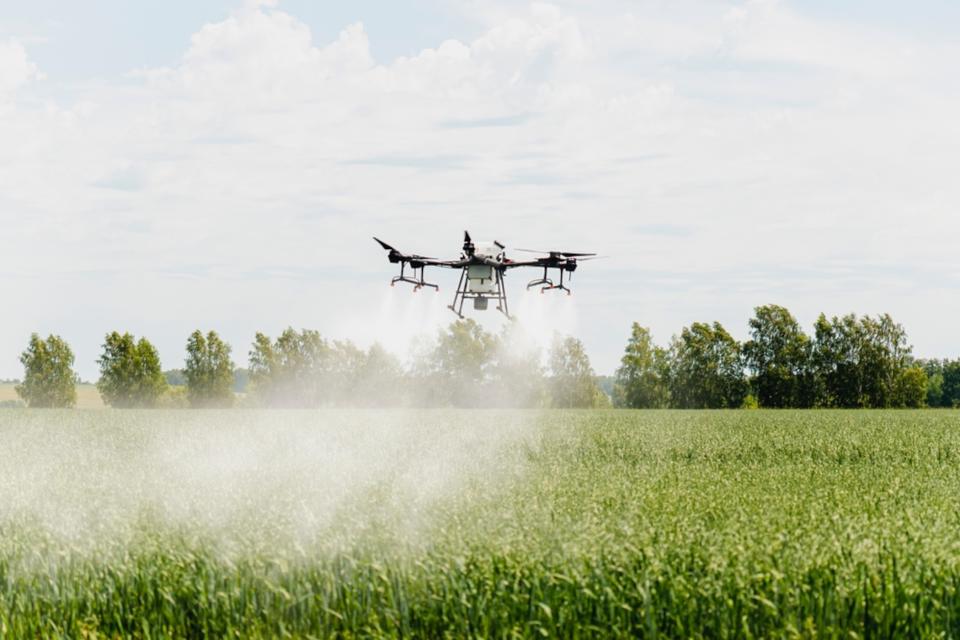
Autonomous equipment adds another layer of complexity. Whether it’s a robotic sprayer or a GPS-guided tractor, autonomous systems require compact, highly precise motion control. Here again, thin-section bearings are key. Their uniform cross-sections and low weight allow for tight packaging within robotic arms or control mechanisms, without sacrificing strength or service life.
Because these machines operate independently — sometimes for extended periods without human intervention — reliability is paramount. Bearings must be able to perform consistently across thousands of operating cycles, often with minimal lubrication or maintenance. Bearings with tight tolerances, such as P6 or better, help ensure repeatable performance in these demanding conditions.
Choosing the right partners for the field
With so many new variables at play, including electric drive systems, autonomous controls, sustainability goals and more, choosing the right components for modern farming equipment is more complex than ever. That’s why working with an experienced bearing supplier is essential.
Partnering with the right specialist bearing supplier can help equipment manufacturers navigate trade-offs between weight, cost, durability and performance. An expert can also recommend bearing options tailored to specific applications, whether that’s a ceramic bearing for a spray nozzle motor, a sealed bearing for a tillage system or a hybrid bearing for an electric drive.
As farmers invest in smart platforms, low-emission machinery and AI-powered automation, it’s easy to focus on the flashy technologies leading this transformation. But behind every self-steering tractor, real-time soil sensor and hydrogen harvester lies a foundation of mechanical performance.
Bearings may be one of the smallest parts in any system, but their role is anything but minor. To find out how advanced bearings can drive smarter, more sustainable farming, visit SMB Bearings' website.