
Automatic and automated performance verifications for food metal detectors streamlines operations by saving time, reducing costs and labour, and minimising errors and workplace injuries at critical control points.
Distributed through the Fortress Technology NZ dedicated service and support team, Halo Automatic Testing is becoming more widely used in Europe and North America on food and ingredient gravity, pipeline and conveyor-type metal detectors.
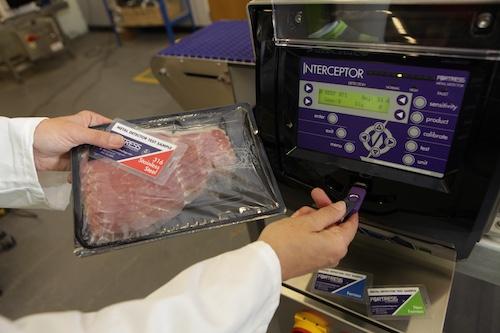
“Many food manufacturing facilities in New Zealand and Australia require QA teams to test every metal detector every hour, at shift changes and at product changeovers. Until now this has been predominantly a manual process. This can consume a substantial portion of labour resources and be very costly to manage,” explains Fortress Technology NZ General Manager Tim Whyte.
Rather than repeatably testing ferrous, non-ferrous, and stainless-steel test pieces by hand, the Halo Automatic Testing system generates a precise, calibrated signal that mimics a real contaminant. This allows each metal detector equipped with Halo to be challenged in a consistent, repeatable and fully traceable way by simulating true production speeds.
Real-time GFSI audit and QC results are instantly logged without having to physically pass and retrieve three metal test samples. Tests can be scheduled or initiated as needed. Production only stops if the metal detector or reject system fails, reducing costly downtime. “Accurate documentation is crucial, as missed or incorrect records can compromise compliance and food safety audits,” notes Tim.