
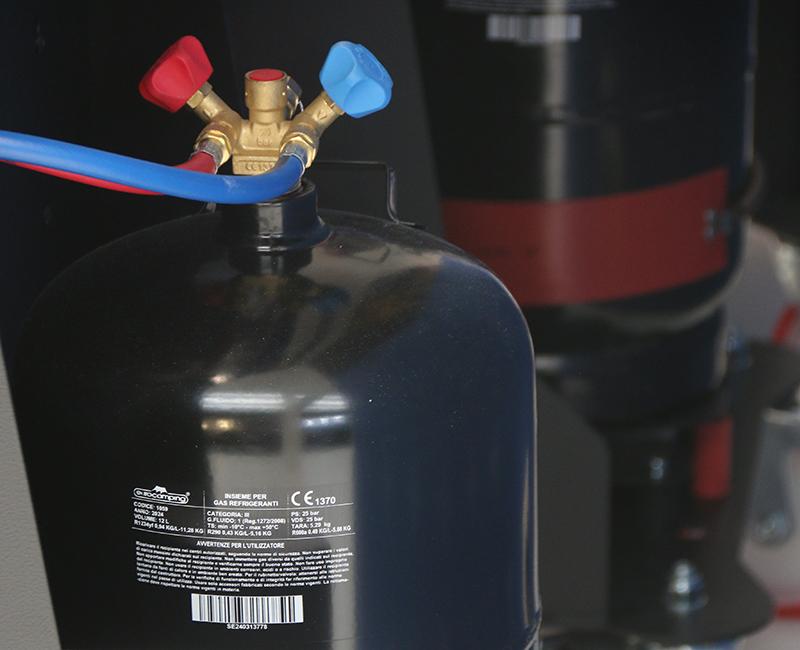
The Government has announced that Regulations will be drafted to support a product stewardship scheme for synthetic refrigerants.
In announcing this the Environment Minister, The Hon Penny Simmonds stated “Managing the impact these gases have on our environment is one of the actions in New Zealand’s second emissions reduction plan, which outlines how we will meet our climate change target for the second half of this decade and sets us on a path to net zero.”
Product stewardship is when a producer, brand owner, importer, retailer or consumer accepts responsibility for reducing a product’s environmental impact throughout all stages of the product’s life cycle.
The Trust for the Destruction of Synthetic Refrigerants was formed in 1993 for the collection, storage and safe disposal of surplus synthetic refrigerant gases.
The Trust runs Cool-Safe, a product stewardship scheme that is accredited under the Waste Minimisation Act. The Cool-Safe scheme remains voluntary until regulations are in place.
“Putting regulations in place is an important step in making sure everyone involved in the synthetic refrigerants industry plays their part in reducing the environmental impact of their products,” Ms Simmonds says.
“Emissions from synthetic refrigerants are mostly due to leaks from poor equipment installation and management, or from improper disposal. A product stewardship scheme will significantly reduce these emissions.
“I congratulate the Trust on leading a scheme that will make a real difference in reducing these emissions and managing the environmental impact of these products.”
Once the regulations come into effect, synthetic refrigerants and heating and cooling equipment containing synthetic refrigerants must be sold in accordance with the scheme. The onshore destruction of synthetic refrigerants must also be carried out in accordance with the scheme.
The scheme will require the sector to report data to Cool-Safe so synthetic refrigerants can be tracked across their life cycle. The sale and recovery of synthetic refrigerants and equipment will be restricted to those who meet industry recognised training standards. These training requirements are proposed to come into effect three years after the regulations are introduced.
"With this new scheme, we will protect our environment, reduce emissions, and ensure a healthier future for our communities," Ms Simmonds says.