
Self-cleaning metamorphic trim products stand to alleviate expensive control valve failures caused by erosion from processing debris laden products, says an industry expert.
The petrochemical sector is losing significant sums annually to valve reliability issues in harsh environments. The introduction of self-cleaning components combining multi-stage labyrinth and cascade technology could prove a gamechanger in terms of plant safety, productivity, and profitability, says Karl Wonisch, Head of Europe Control Valves at IMI Critical Engineering.
“For years, operators working in challenging conditions have struggled with minimum flow control and clogging due to particulate contamination, alongside poor rangeability,” explains Mr Wonisch. “These concerns are many and varied, but the maintenance and repair work usually required to tackle them can result in ongoing disruption and snowballing downtime costs for petrochemical sector stakeholders.
“Clearly, the growing costs and frequent interruptions associated with valve shutdowns present an unacceptable situation for plant operators. Consequently, new innovations are required that solve the issue of clogging and seizing due to dirty contaminants at the source.”
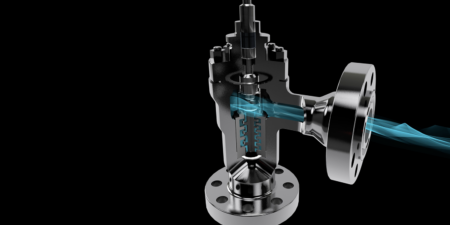
IMI Critical Engineering has developed EroSolve Metamorphic Trim (MMT), which uses a unique self-cleaning design and velocity control methodology throughout the whole fluid passage, reducing the risk of damage and clogging. The trim, which is custom-designed to fit existing valve bodies and actuators, also benefits from the gradual divided pressure drops associated with cascade-style solutions, as well as reduced installation costs.
The effectiveness of the EroSolve MMT has already been demonstrated following its installation downstream of the glycol dehydration contactor of a multinational oil and gas producer in the North Sea. With the application proving challenging due to high pressure drops, very low flow, solid particles and sludges in the fluid, material was regularly collecting at the bottom of the contactor, impeding passage through the control valve.
Combined with the occurrence of slugs following a trip of the gas compression system, the valve needed cleaning on a regular basis. This resulted in unplanned downtime and annual production losses totalling £2 million. However, by implementing the EroSolve MMT, the high pressure drops, and small flow rates previously hampering performance could be mitigated.
“Maximising asset production efficiency is a key priority across all industries,” Mr Wonisch concludes. “This includes reducing the amount of maintenance required on site assets such as valves, especially in severe applications. EroSolve MMT has already proven itself in this arena, saving organisations millions in total cost of ownership costs by reducing clogging and cavitation concerns.”
For more information, please visit: https://www.imi-critical.com/aftermarket/valve-upgrades/erosolve-metamorphic-trim/