
The Wellington Regional Stadium Trust will lower its carbon emissions and energy use at Sky Stadium as it embarks on the replacement of thousands of existing light fittings with energy efficient LED luminaires across the venue.
The lighting upgrade at Sky Stadium is an important step in the venue’s energy transition plan, supporting a shift to a low-carbon energy future.
“A big step towards decarbonisation is the replacement of existing lights with energy efficient lights and lighting control systems. This will reduce the stadium’s carbon emissions with the added benefit of reducing our maintenance and energy costs,” Sky Stadium Operations Manager Hamish Allen says.
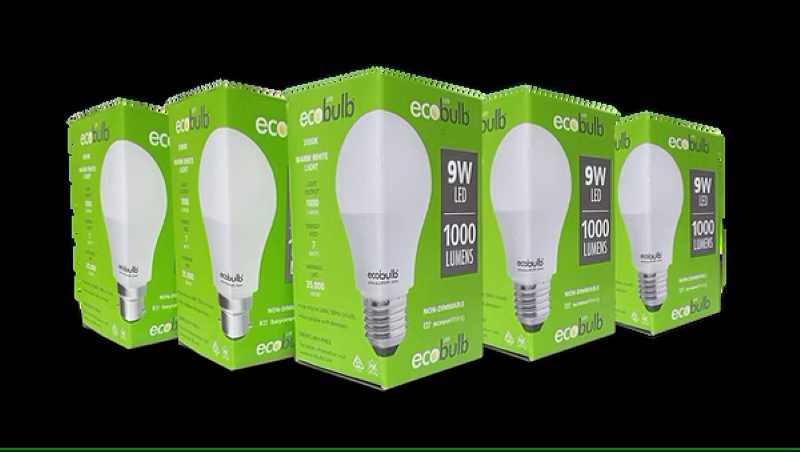
After an extensive tendering and selection process, the Trust contracted energy efficiency experts Ecobulb to carry out the Sky Stadium lighting upgrade. Ecobulb’s commercial LED luminaires use about a fifth of the electricity of older lighting technology, which translates to a lower carbon footprint.
“We selected Ecobulb because of their experience in undertaking large scale commercial lighting upgrades using their ultra-high efficiency LEDs,” Allen says.
“Ecobulb’s goal is to save as much electricity as it takes to power New Zealand for a year. The company is already two-thirds of the way there,” Ecobulb Managing Director Dr Chris Mardon says.
“We’re delighted to partner with Wellington Regional Stadium Trust to upgrade one of New Zealand’s premier sporting and entertainment venues to LEDs, a project which comes hard on the heels of Ecobulb completing a similar LED lighting upgrade at the nearby 16-level Ministry of Justice building.”