
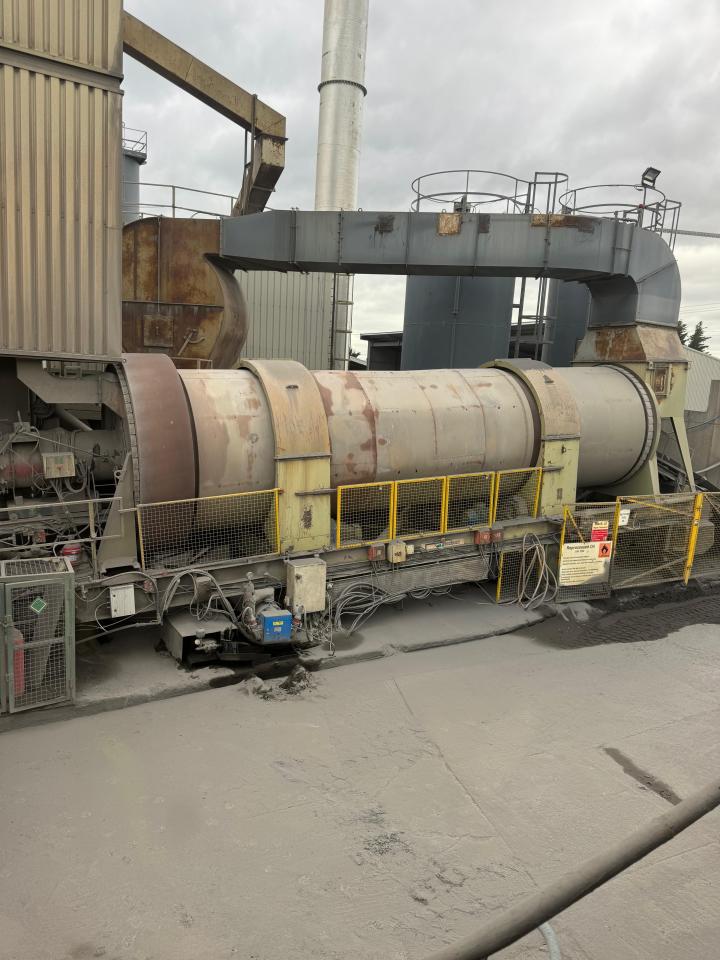
Asphalt production places extreme demands on rotating equipment. At the heart of the process is the dryer drum, where reliable drive performance is essential to maintaining production. When gearbox failures left an asphalt plant facing severe oil leaks, with engineers constantly replacing seals and topping up oil, maintenance had become part of its daily routine. Here's how systems integrator Technidrive identified the cause of these failures on an asphalt dryer application and engineered a bespoke drive solution that has delivered more than three years of maintenance-free operation.
In asphalt production, the dryer drum is critical. It is responsible for drying and heating aggregate before it is mixed with bitumen, and must operate in an extremely challenging environment, combining high temperatures, abrasive dust and continuous mechanical movement. Ensuring reliable rotation of the drum is essential to maintaining production throughput and asphalt quality.
This was the situation facing a major quarrying and asphalt plant manufacturer when ongoing gearbox failures on a dryer drum application were causing long-term maintenance issues and operational inefficiencies. To address this problem, the customer turned to systems integrator Technidrive to identify the cause of the problem and develop a more reliable solution.
By evaluating the current system and the key issues, Technidrive delivered a bespoke planetary gearbox system that has now operated for more than three years without requiring seal replacement, oil changes or corrective maintenance.
The demands on the drive system
In an asphalt plant, aggregates such as crushed stone and sand are fed into a large rotating dryer drum where they are heated and dried before mixing with bitumen to produce asphalt. The process involves a conveyor feeding aggregate into one end of a large cylindrical drum. At the opposite end, a burner generates temperatures of between 1100°C and 1400°C. The drum rotates and internal flights lift and shower the aggregate through the stream of hot air, ensuring efficient heat transfer and drying.
By the time the aggregate leaves the drum, it has typically been heated to between 150°C and 170°C and is dry and ready for mixing. While the process is very effective, it creates a highly demanding operating environment for the motors and gearboxes that power the drum.
"The dryer is exposed to heat, dust and thermal cycling," explained David Strain, technical director at Technidrive. "As temperatures rise and fall during its operation, the steel components expand and contract. This creates movement that transfers through the drive system and can lead to major challenges in reliability if the gearbox is not suited to the application."
The drum itself rotates on four support wheels, each driven by a motor and gearbox assembly. These systems must deliver high torque while operating reliably despite constant exposure to heat, vibration and structural movement.
Identifying the root cause
The customer's original drive arrangement used shaft-mounted gearboxes directly connected to the drum drive wheels. While shaft-mounted gearboxes are widely used throughout industry and offer a simple, cost-effective method of transmitting torque, Technidrive identified that this design was unsuitable for the specific demands of the asphalt dryer application.
Because the gearboxes were mounted directly onto the wheel shafts, they effectively became part of the machine structure. Any movement was transferred directly into the gearbox. As a result, the customer experienced persistent oil leakage problems.
"The oil leakages had become so severe that the customer had to position four wheelbarrows beneath the gearboxes to catch oil. It was constantly replacing seals, topping up oil and dealing with reliability issues. It had become an ongoing maintenance task."
Technidrive assessed the current equipment and confirmed that the repeated thermal expansion and contraction, combined with vibration from the rotating drum, were placing excessive stress on the gearbox seals and bearings. The fact that they were shaft-mounted exposed them directly to conditions that accelerated wear and reduced their overall reliability.
Isolating the gearboxes from thermal and mechanical stress
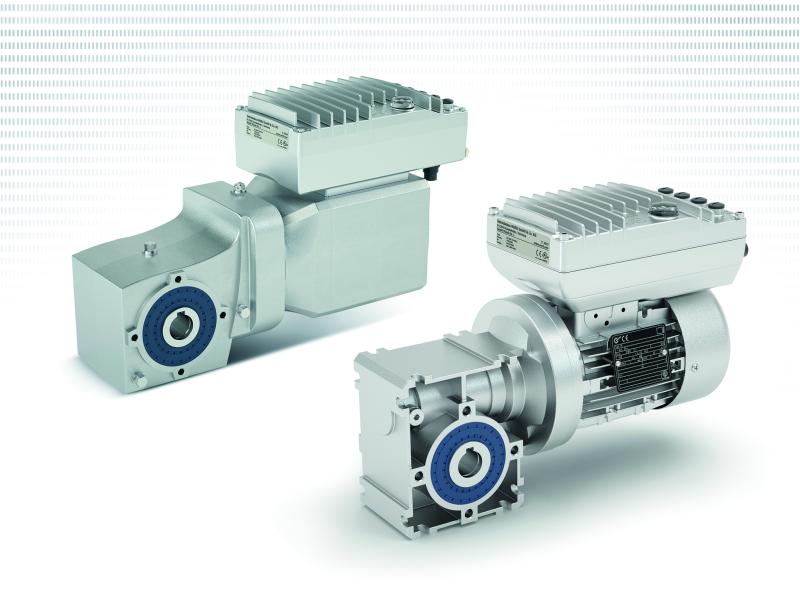
Having identified the cause of the problem, Technidrive developed a revised drive concept that isolated the gearboxes from the environmental and mechanical stresses generated by the dryer. This centred on replacing the existing shaft-mounted helical gearboxes with Bonfiglioli 307 planetary gearboxes from its 300 Series.
Planetary gearboxes consist of a central gear surrounded by multiple planet gears within an internally toothed ring gear. This distributes the load across multiple gear teeth, enabling significantly higher torque transmission for dryer operation. What’s more, the heavy-duty output seal arrangement and back-to-back taper roller bearings offered superior durability in harsh operating conditions.
Technidrive also had to mitigate the amount of stress the gearboxes were exposed to during operation. Rather than mounting the new gearboxes directly onto the wheel shafts, the gearboxes were mounted independently on separate support structures. Torque was then transmitted through a coupling arrangement between the gearbox and the drive wheel.
"By introducing a coupling, we created a level of isolation between the machine and the gearbox," explained Strain. "The gearbox was no longer exposed directly to all the vibration, movement and thermal expansion occurring within the dryer drum."
The coupling accommodated movement between the rotating drum and the gearbox, preventing swelling, vibration and shaft misalignment from being transferred directly into the gearbox bearings and seals.
The value of system integration
While both shaft-mounted helical gearboxes and planetary gearboxes have important roles in industrial applications, the success of the project demonstrates the importance of selecting the right solution for the specific operating environment.
"Shaft-mounted gearboxes are well-suited for a range of industrial processes," said Strain. "We use them extensively because they're simple to install and effective for many applications. The key is understanding where they work best and where a different approach is required."
As an independent systems integrator, Technidrive was able to assess the application and understand the operational challenges. This allowed it to design a complete drive solution that addressed the underlying causes of failure and delivered long-term reliability.
Before the upgrade, gearbox oil leaks were a persistent issue requiring regular maintenance intervention and creating housekeeping challenges around the dryer installation. Since the new planetary drive system was commissioned, there have been no reported oil leakage issues and three years later, the gearboxes continue to operate without requiring oil seal replacement, oil top-ups or unplanned maintenance.
The redesign has both eliminated a major maintenance burden and improved operational reliability and reduced downtime risk in a critical production process.
By combining detailed application analysis, gearbox expertise and a bespoke drive system design, Technidrive was able to deliver a maintenance-free solution. The project highlights the value of taking a systems integration approach to industrial drive applications. Rather than viewing motors and gearboxes as standalone components, Technidrive considers the wider operating environment, mechanical interactions and long-term performance requirements to develop solutions tailored to each customer's needs.
Learn more about Technidrive’s bespoke gearbox and drive solutions for demanding applications.