
Workforce pressures in the advanced manufacturing sector are to be eased with the approval of spaces for 100 critical workers to enter under a special immigration arrangement.
Economic Development Minister Stuart Nash says a border exception class has been created for advanced manufacturing specialists following discussions with the sector.
“Our reconnecting strategy includes special immigration provisions to allow a greater number of critical workers to enter New Zealand ahead of a full border reopening and the wider re-set of immigration rules later in the year,” said Stuart Nash.
“The reconnecting strategy is a critical part of our economic recovery. This decision supports the advanced manufacturing sector across urban and provincial New Zealand to find the specialist staff it needs, implement more productive business practises and expand operations.
“The class exception announced today will relieve some of the immediate pressure before the staged re-opening of New Zealand’s borders.
“From Monday 14 March, a special category will allow 100 advanced manufacturing specialists earning at least $28 per hour, equal to the current median wage plus $1, and their partners and dependent children to enter New Zealand.
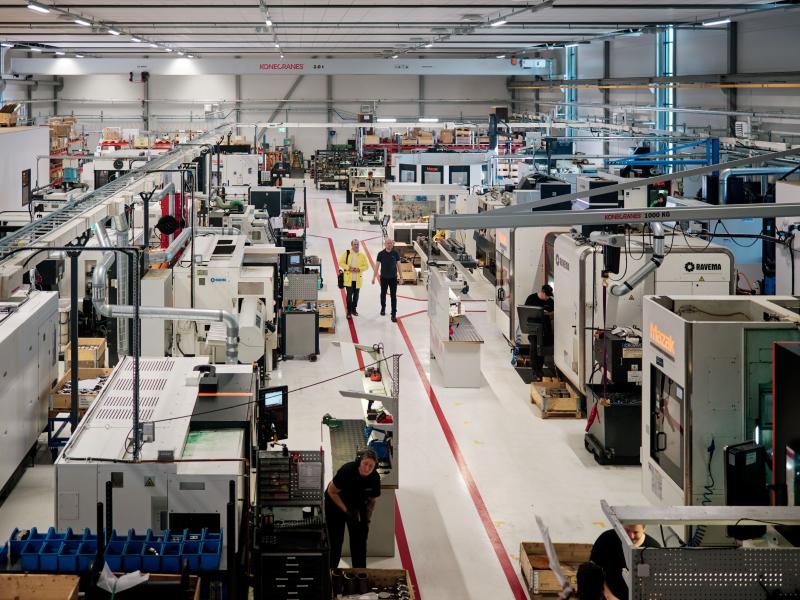
“The advanced manufacturing sector is a major contributor to our economy, jobs and communities. It employs 10.7 per cent of the workforce (248,400 people), accounts for 10 per cent of GDP ($24.1 billion), 73.5 per cent of goods exports ($44.5 billion), and 24 per cent of business expenditure on Research and Development ($649 million).
“It is the second largest employer of Māori, largest employer of Pasifika and important contributor to regional employment and growth.”
“To be nominated for a class exception, an advanced manufacturing business will need to demonstrate an immediate need for up to three advanced manufacturing specialists that cannot be readily filled domestically.
“It must also demonstrate it is committed to supporting domestic skills growth, and that the nominated workers have appropriate advanced manufacturing skills to support advanced technologies and processes.
“Providing this border exception will help New Zealand manufacturing firms to fill immediate key skills gaps while utilising these specialists to upskill existing workers.
“Previous border exceptions have allowed specialist tech sector workers, dairy farm managers and assistants, shearers, wool handlers, deepwater fishing crew, agricultural and horticultural mobile plant operators, veterinarians, teachers, winery workers, and meat and seafood processors to migrate here while borders were otherwise closed.
“Advanced manufacturing is also hugely important to regional economic development, especially in areas like Southland, Taranaki, Marlborough and Hawke’s Bay, where employment in this sector is well above the national average,” said Stuart Nash.