
Following the cancellation of several large-scale hydrogen plants in 2025, decentralised production offers a route to scale-up the fuel’s adoption in hard-to-decarbonise industries, according to IMI.
Just this month, plans for the H2Teesside facility at Teesworks in Redcar, which would have been one of the UK’s largest blue hydrogen plants before plans, were shelved.
“Large-scale hydrogen projects will be vital for long-term decarbonisation, but their scale means a small number of cancelled projects can have an outsized impact on end-user confidence in hydrogen technologies,” says Roby Buyung, President of Process Automation at IMI.
“This ‘all-or-nothing’ dynamic risks disrupting the UK’s transition to cleaner energy sources, so a new mindset is needed which overcomes particular challenges around distribution infrastructure. Smaller, decentralised green hydrogen solutions offer an alternative, spreading the risk of project failure while removing the requirement for large-scale infrastructure to deliver hydrogen to the point of use.”
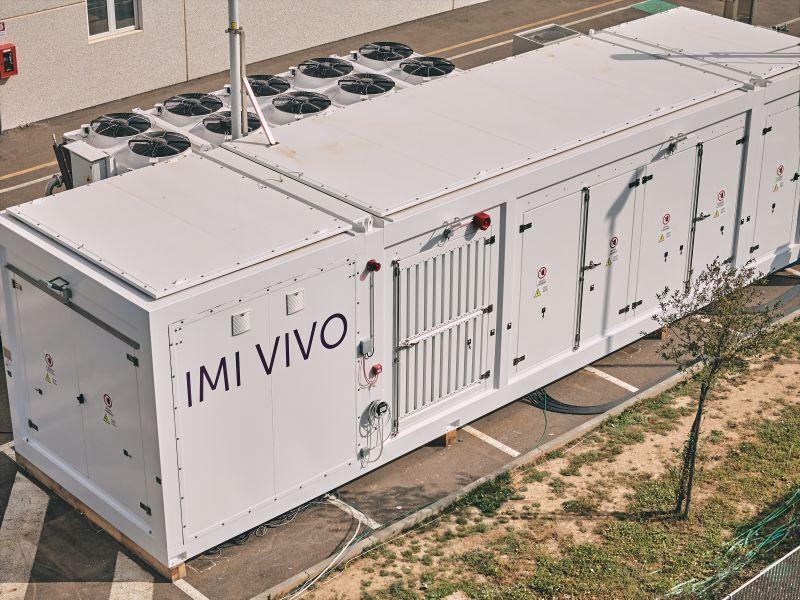
IMI is emphasising the role modular, on-site solutions such as PEM electrolysers can play in accelerating adoption of hydrogen power generation and reducing nationwide reliance on large infrastructure projects. Deployed on-site, these technologies can harness green hydrogen to power site operations at businesses looking to efficiently reduce their carbon footprint, or to bridge the power gap at companies awaiting grid connections.
This approach can already be seen in previous IMI projects, including the provision of a PEM electrolyser for a new hydrogen refuelling station at the Port of Klaipeda in Lithuania. The first such project in the Baltic region to produce hydrogen on-site, the solution produces 127 tons of green hydrogen on-site annually while using an electrical input of 3 MW, drawn from sustainable sources, reducing emissions alongside fuel transportation and storage costs.
“As our recent project at the Port of Klaipeda shows, decentralised green hydrogen production will be an invaluable decarbonisation tool at a time where the rollout of larger-scale projects is subject to delays or cancellation,” Buyung concludes. “Generating green hydrogen at the point of use will allow organisations to quickly and cost-effectively cut emissions while improving existing on-site power capacity. By proactively adopting these clean energy solutions, they can put themselves ahead of the curve while national infrastructure catches up.”