

The Drug Detection Agency (TDDA) provider has launched its Q1 Imperans Report, a quarterly workplace drug trends report.
In Q1 2026, 3.0% of screens conducted by TDDA indicated the presence of drugs. While this is down from 4.0% in Q4 2025, what is concerning is changes in the types of drugs detected.
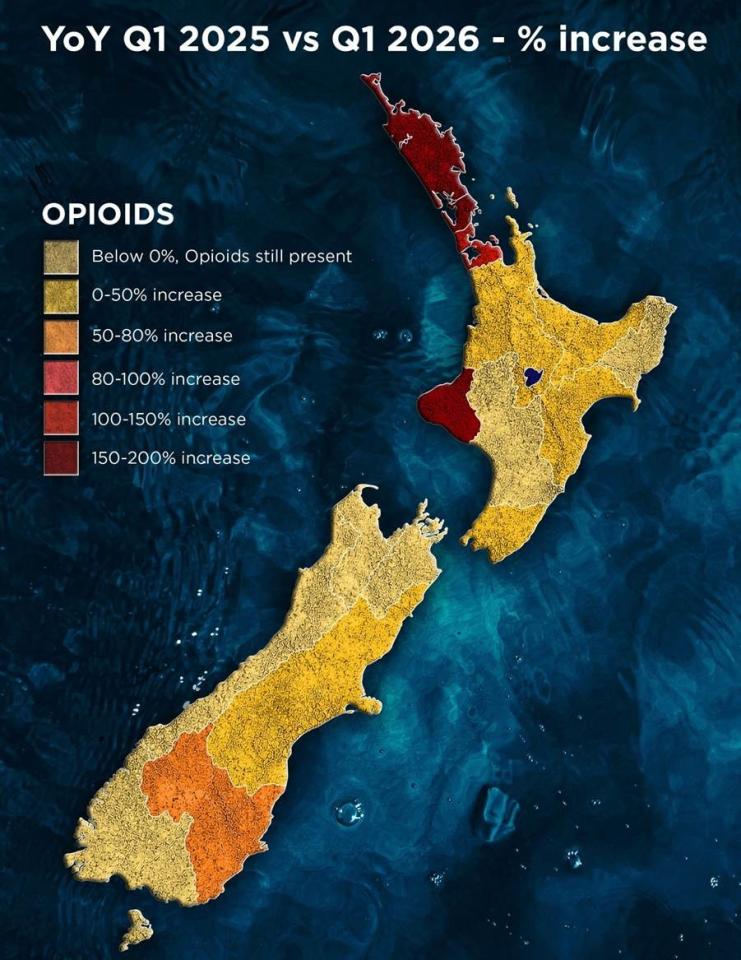
The data points to three broad shifts. A welcome easing in the overall detection rate is countered by a persistent and widening expansion of Opioid detections: a 34.5% Year on Year (YoY) increase compared to Q1 2025, the most significant shift of any substance nationally. The third is a partial retreat in cocaine detections following Q4's significant spike, though at 1.9% in Q1 2026, levels remain above the 1.7% recorded in Q1 2025, suggesting a gradual upward trend that goes beyond seasonal effects.
Among all positive TDDA results, the most prevalent substances detected were:
- Opioids, including oxycodone: up 34.5% YoY, from 14.3% in Q1 2025 to 19.2% in Q1 2026
- Cocaine: up 11.4% YoY, from 1.7% in Q1 2025 to 1.9% in Q1 2026
- THC (Cannabis): down 0.8% YoY, from 68.7% in Q1 2025 to 68.1% in Q1 2026
- Amphetamine-Type Substances (ATS), including methamphetamine: down 25.8% YoY, from 31.2% in Q1 2025 to 23.2% in Q1 2026
"The overall number may suggest things are moving in the right direction, but a Year-on-Year lens and the regional picture tell a different story, “says Glenn Dobson, CEO of TDDA.
"Opioids, Cannabis and ATS are expanding across multiple regions, and that is a risk employers cannot afford to overlook. Unlike a sudden spike in cocaine detections, these are slow-moving and more consistent trends that embed themselves into workplace culture before most employers even notice. That said, cocaine is not a substance to dismiss. While Q1 detections (1.9%) have retreated from the Q4 peak (3.7%) - likely driven by the Christmas and summer holiday period - levels remain above this time last year, which may point to a steady and increasingly entrenched supply network."
Recommendations
" What this data reinforces is that a one-size-fits-all approach to workplace drug management is no longer sufficient," says Dobson.
"Opioids are quietly but persistently spreading across the country. Unlike substances that tend to produce obvious signs, they can be harder to spot in the workplace, and by the time the problem becomes visible, it may have already been ongoing for some time. If your workforce operates machinery, drives vehicles, or operates in safety-sensitive environments, an employee who is silently struggling with opioid use is not just a health risk - they are a safety risk to everyone around them.”
TDDA recommends that employers regularly review their drug and alcohol policies to ensure they reflect the latest regional trends. Where detections are rising, whether opioids, cocaine, or other substances, implementing a testing programme, including pre-employment and regular and random testing, is one of the most effective tools for early warning and intervention.