
Some of our most important connections to the past are not found in museums, but in the buildings that continue to stand at the heart of towns and cities. Yet ensuring these structures remain safe and resilient for future generations requires more than restoration alone. Here, Stuart McIntosh, CP business manager at Omniflex, explores how modern corrosion protection technologies are helping to safeguard historically significant buildings against the hidden threats that emerge with age.
From civic landmarks and places of worship to historic commercial buildings that continue to serve modern communities, heritage structures occupy a unique position within the built environment. As stated by UNESCO, they are valued for their architectural significance and for the role they play in shaping local identity and connecting people with their shared history. While many have stood for decades, in some cases centuries, preserving them presents ongoing challenges for those responsible for their care.
Conservation efforts often focus on visible features such as facades, stonework and decorative details, yet the long-term survival of many structures depends equally on protecting the materials hidden beneath the surface. Over time, moisture ingress, environmental exposure and corrosion can gradually weaken structural elements, creating problems that may remain undetected until significant deterioration has already occurred.
What lies beneath
For many heritage assets, one significant long-term risk comes from the gradual deterioration of structural materials. This is particularly true for steel reinforced concrete structures, submerged steel sheet piling and masonry clad steel framed buildings, where corrosion of embedded steel reinforcement can occur over many years before visible signs begin to emerge. Exposure to moisture, chlorides, pollution and changing environmental conditions can all contribute to the corrosion process, weakening structures from within and increasing the likelihood of cracking, spalling and costly repairs.
The challenge for building owners and conservationists is that these processes are often hidden from view. By the time damage becomes visible on a façade or supporting structure, the underlying deterioration may already be well advanced. Repairing the resulting damage can be complex, disruptive and expensive, particularly where historic features must be carefully preserved throughout the process.
As a result, heritage preservation is moving beyond traditional restoration alone. While repairing damage remains an important part of conservation, there is growing recognition that protecting structures before significant deterioration occurs is often the most effective approach. Preventing damage not only helps preserve original materials and architectural features but can also reduce the scale and frequency of future interventions.
Proactive preservation
This preventative approach is aided using impressed current cathodic protection (ICCP). Designed to combat corrosion in steel reinforced concrete structures, ICCP systems work by applying a small electrical current to embedded reinforcement, helping to halt the corrosion process before significant damage can occur.
For heritage assets, the benefits extend beyond structural protection. By controlling corrosion before extensive deterioration develops, ICCP minimises the need for major repair works, preserving more of a building’s original structure and reducing the disruption associated with large-scale restoration projects. This makes it particularly valuable where maintaining historical integrity is as important as ensuring long-term structural performance.
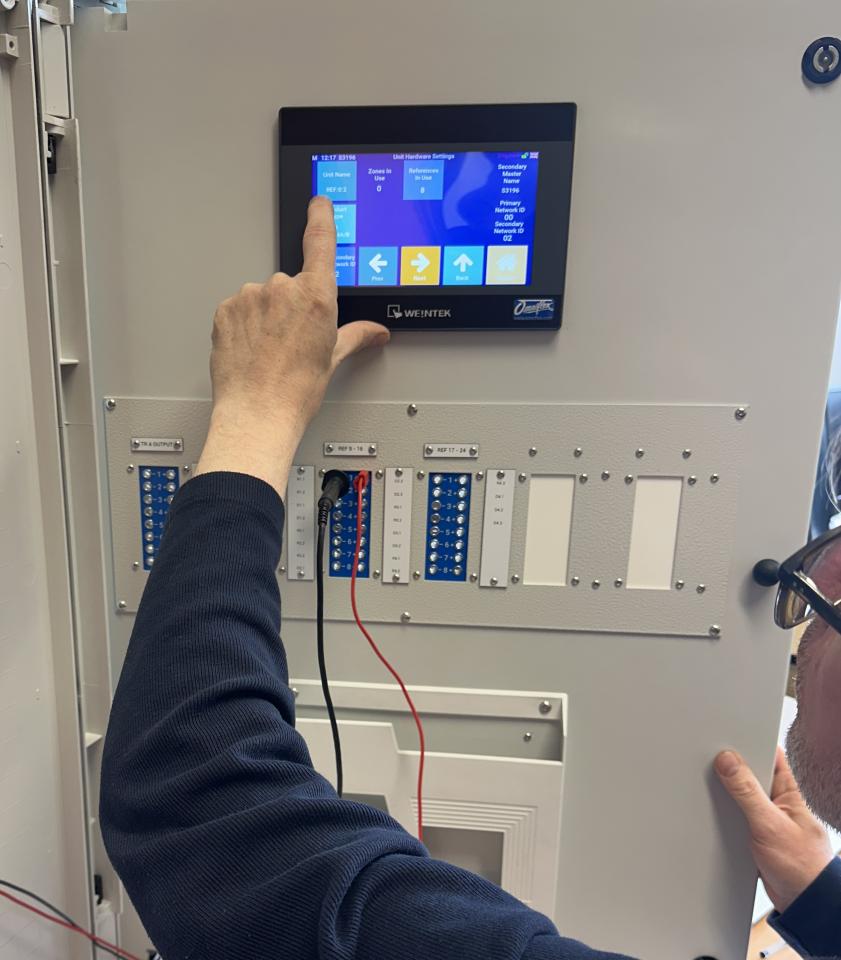
Modern monitoring technologies have further strengthened this approach. Remote monitoring systems provide ongoing visibility into the performance of corrosion protection systems, enabling asset owners and engineers to identify potential issues early and make informed maintenance decisions. Rather than relying solely on periodic inspections or reacting to visible signs of deterioration, building managers can take a more proactive approach to safeguarding historically significant structures.
Heritage meets engineering
The growing role of corrosion protection in heritage preservation can be seen across a wide range of historically significant structures. While every building presents its own challenges, the principle remains the same: protecting critical structural elements before deterioration threatens the long-term future of the asset.
This approach has been applied to a variety of heritage projects, from civic landmarks and historical commercial properties to internationally recognised places of worship. In the UK, Omniflex’s ICCP and monitoring systems have been deployed to help protect Manchester Town Hall, one of the country’s most iconic municipal buildings, as well as the former Midland Bank building at 140 Leadenhall Street in London, a Grade II listed structure that remains an important part of the capital’s architectural heritage.
Similar technologies have also been used to support preservation efforts at Selfridges London and Bouverie House, both of which continue to serve modern purposes while retaining their historical significance. Beyond the UK, projects such as St Paul’s Cathedral in Malta and the Tour Perret in Grenoble, France demonstrate how corrosion protection is helping asset owners and conservation professionals safeguard culturally important buildings against the long-term effects of environmental exposure and ageing infrastructure.
Although these structures differ significantly in age, purpose and design, they all need to balance the demands of modern use with the need to preserve historic character. By providing long-term protection against corrosion and enabling more informed asset management, technologies such as ICCP are becoming an increasingly important part of heritage preservation.
A legacy
As heritage assets age, the challenge building owners, conservation professionals and engineers will become increasingly complex. Environmental pressures are unlikely to diminish, while many historically significant structures must continue to meet the demands of modern use. Ensuring their long-term future will require more than reactive repairs alone.
Instead, the focus is increasingly shifting towards proactive asset management, where potential issues can be identified and addressed before they develop into significant structural problems. By combining traditional conservation principles with modern engineering technologies, it is possible to prolong the lifespan of historic structures while retaining the architectural and cultural value that makes them unique.
The most effective heritage protection is often the least visible. While restoration projects may capture public attention, the technologies working quietly beneath the surface play an equally important role in ensuring these buildings remain safe, resilient and relevant for future generations.
With decades of experience in cathodic protection instrumentation, remote monitoring and ICCP systems, Omniflex supports asset owners, corrosion engineers and conservation specialists in protecting reinforced concrete structures against the long-term effects of corrosion. From historic civic buildings and commercial landmarks to critical infrastructure and industrial assets, Omniflex’s solutions provide the monitoring, control and protection capabilities needed to support long-term structural integrity and informed asset management.
To learn more about Omniflex’s ICCP monitoring and control solutions, visit its website.