
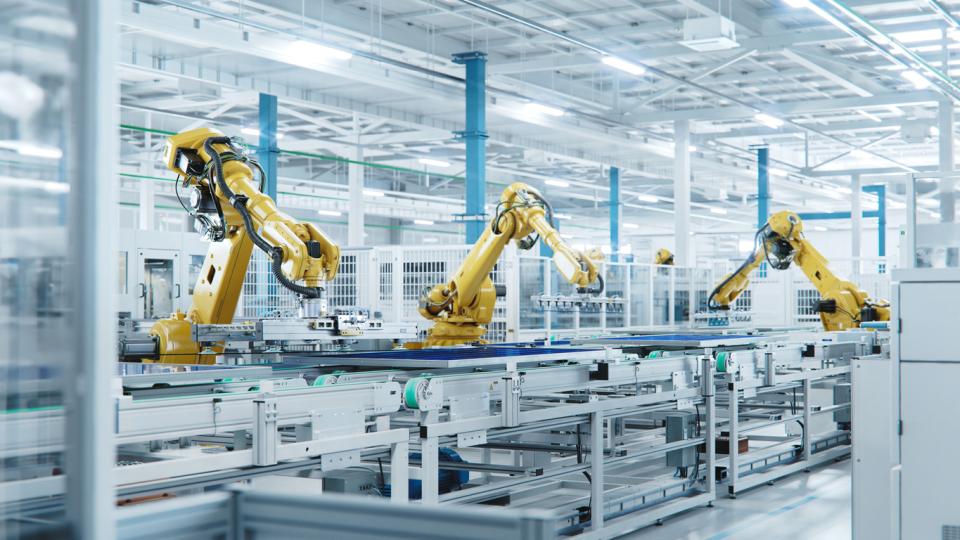
As automation efforts are set to ramp up in the workplace, this continued transformation is not expected to result in widespread job losses. In fact, most workers believe automation will have a positive impact on their career, new independent research by specialised recruiter Robert Half finds.
“The broad embrace of automation in New Zealand businesses is an undeniable reality,” says Megan Alexander, Managing Director at Robert Half. “Automation is being rolled out to streamline processes, increase efficiency, and help bridge the skills gap in the current employment market. Crucially, this widespread adoption is viewed positively by Kiwi workers, who perceive automation not as a threat, but as a valuable opportunity to upskill and significantly enhance their career trajectories.”
Why workers are optimistic about automation
When employees were asked what impact they think automation would have on their job and career prospects, they were overwhelmingly positive.
More than two-thirds (68%) of workers state that automation would have a positive impact, as it would create greater demand for their skills and improve their career outlook. About a quarter (23%) believe automation would have no impact on their job or career prospects. Only 9% of workers say automation would negatively impact their career because it could make their role and skills obsolete.
Workers also expressed a willingness to adapt to the introduction of automated processes. When asked what they would do if their job became partially automated, and their employer asked them to change roles and learn new skills, workers said they would:
Participate in training to reskill into a new role with their current employer (64%)
- Look for a different role with their current employer (13%)
- Look for a new job at a different employer (16%)
- 7% are unsure
“Employees today are motivated to collaborate with their employers in the transition towards greater automation,” Alexander says. “With this in mind, organisations need to invest in reskilling and upskilling initiatives to ensure their workforce is equipped to thrive in an automated environment. This is a win-win for companies, who will have the skilled workers they need, and a loyal and engaged workforce.”
“Automation is about optimising resources, reducing errors, and freeing up employees to focus on more strategic and fulfilling work, not just about cost cutting,” concludes Alexander.