

While it’s a bit of a chore, when it comes to conveyors, maintenance and cleaning can pay off in vastly reduced interruptions during your busiest time of the year, says Dyno Conveyors.
Here’s the company’s guide to what you should be doing. And remember, says Dyno, you can always call on us, for maintenance on any conveyors. (Ours or someone else’s.)
Tip 1 Think about having critical parts in stock in case of breakdowns. Check them now. Or call us.
Tip 2 Ensure your maintenance team are trained, have clear goals, and even clearer plans in place.
Tip 3 Like we said in Tip 2: Plan. Have audits and maintenance schedule up-to-date. You can check out our Dynocare booklet at dyno.co.nz for a full outline on daily, weekly, monthly, quarterly, and annual care of your conveyors.
Tip 4 Safety is always the best policy. If it’s not in use, turn it off. (Saves money too.) If maintenance needs to be done while a machine is on – make sure your team know what they’re doing.
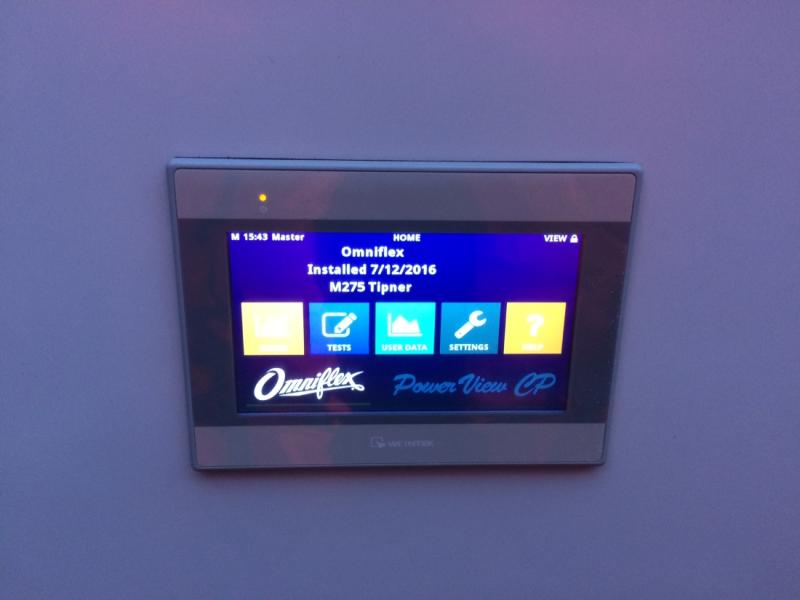
Tip 5 At least once a week check system controls and wiring and note any faults/needs for repair and correct.
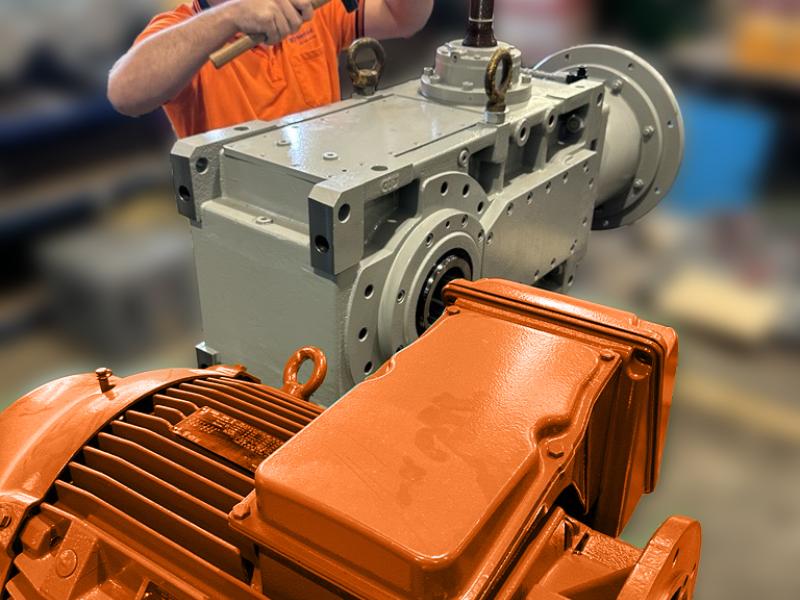
Tip 6 Check over the motors and gearboxes. Attend to any lubricant leaks. Check with your supplier which lubricant should be used for any top-ups.
Tip 7 Cleaning. (Yeah, we know.) Once a week, after maintenance checks. Do it.
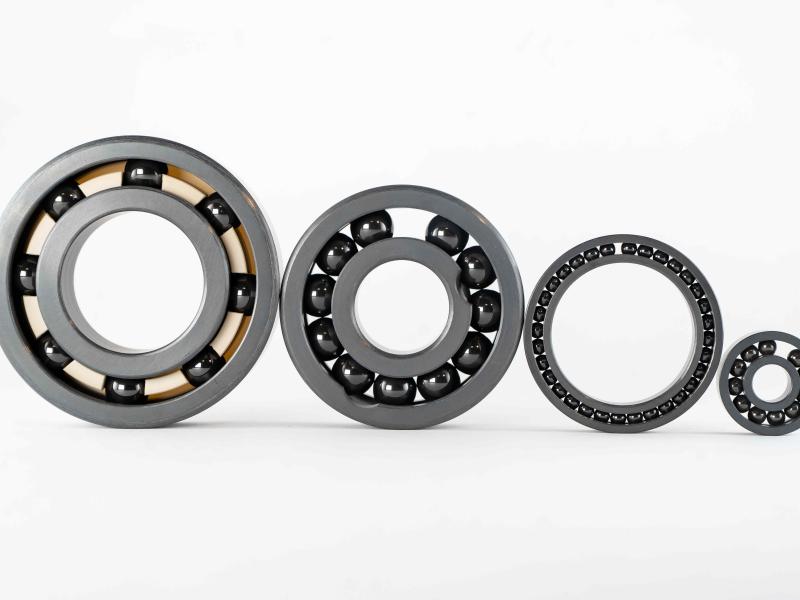
Tip 8 Check rollers, pulleys and bearings. Tighten grub screws (if they’re loose), listen for any odd noises, and checks for parts that need replacing.
Tip 9 Check the belt itself for damage. It’s vital for the efficient use of the conveyor.
Almost there…
Tip 10 The mounting bolts. Check them. Now. They’re vital to safety and smooth operation.
Some effort now will pay off later, promises Dyno. In fact, the company guarantees it.
For more information, visit the Dyno Conveyors’ website at dyno.co.nz.