
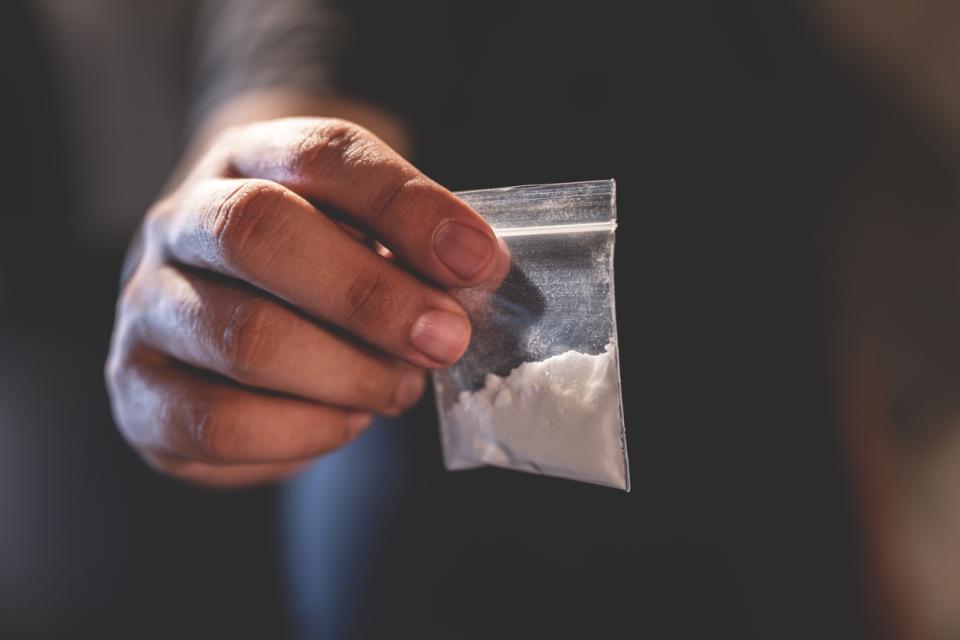
Cocaine use is on the rise across New Zealand workplaces. That’s a key finding of the latest Imperans Report, a quarterly analysis of drug use in the workplace prepared by The Drug Detection Agency (TDDA), New Zealand’s largest workplace drug testing provider.
Growing cocaine use is not the only workplace concern. Among all positive results across New Zealand, compared with year-on-year (YoY) substance detections are as follows.
• Cocaine: 2.8% of positive tests, up 68.5% YoY
• ATS (including methamphetamine): 32.7% of positive tests, up 5.2% YoY
• Cannabis: 64.4% of positive tests, up 1.7% YoY
If there’s a silver lining, it’s that opioid use (including oxycodone) is down. Opioids were present in 18.2% of positive tests, in Q2, down 14.0% YoY.
This quarter, 2.8% of all screens conducted by TDDA indicated the presence of drugs, showing a slight downward trend compared with 3.0% in Q1. Of positive test rates, there is a backdrop of cocaine and ATS rebounding strongly against the same quarter a year ago.
"TDDA data is showing that cocaine retreated from Q4 levels, which peaked over Christmas and New Year, but is roaring back in Q2. It is becoming increasingly likely that cocaine, buoyed by cartels and other South Pacific drug trade activity, is something employers even in white collar industries need to worry about. The substance is becoming highly available due to supply networks – rather than just a one-off spike," says Glenn Dobson, chief executive of TDDA.
"Cocaine and ATS interfere with the way the brain judges risk, producing misplaced confidence and slower decisions at exactly the wrong moment. On safety-critical sites, where a small margin or a split second can be the difference, that combination can turn deadly fast. When judgement slips on a construction site or behind the wheel of a truck, the consequences reach past the workers and colleagues, and into families waiting at home."
What this means for employers
"When cocaine and ATS move region by region like this, a drug and alcohol testing programme set once and left alone quietly falls behind the risk. The Health and Safety at Work Act 2015 puts the obligation on employers to manage foreseeable risks, and substance use in safety-critical roles is exactly that. The starting point is a drug and alcohol policy that covers illicit, synthetic and prescription drugs alongside alcohol. It also gives managers and supervisors who sense something is off, yet don’t really know how to act, a clear path to follow,” says Dobson.
Stimulants can clear the body faster than depressants like opioids, so a single test at one point in time often misses them, and when and how a business tests employees shapes what is discovered.
"Pre-employment testing catches drug use at the door and shows on day one that the policy is more than words on paper. To keep catching fast-clearing substances like stimulants after that, random testing works well alongside it.