
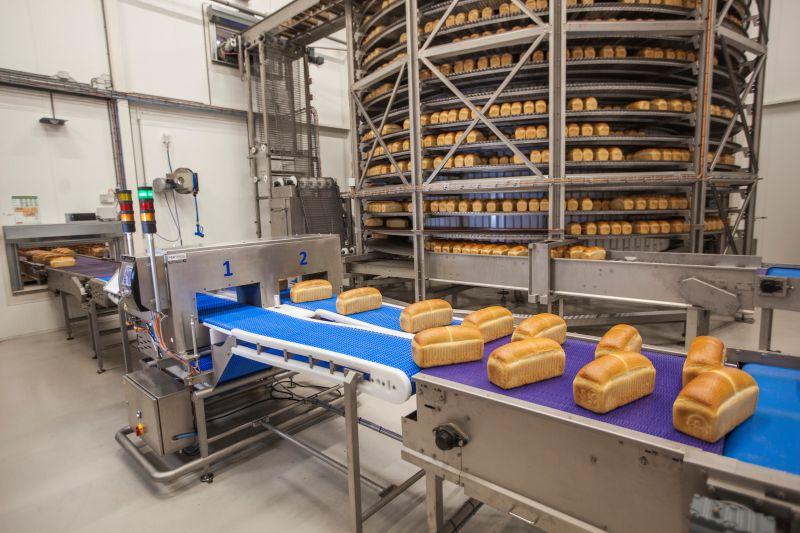
Fortress Technology NZ examines the importance of food metal detectors and why the global company has dedicated 30 years to developing systems to cover every food processing HACCP.
Determining the correct HACCP checkpoint and metal detector type is more than just best practice. It is mandated by rigorous international standards like BRCGS, GFSI, IFS and specific COP retailer requirements. Failing to implement these protocols can lead to large-scale recalls, safety investigations and potential barriers to market entry.
HACCP guidance recommends locating contaminant and metal detection CCPs at any step where hazards can be prevented, eliminated or reduced to acceptable levels. In practice, this means every food processor’s metal detection needs can vary based on their ingredients, equipment and process flow.
Strategic placement saves money
Where food metal detectors are situated within a production line can have a substantial impact on a manufacturer’s financial status. This decision can also be a key factor in safeguarding both product quality and operational efficiency.
There is always value to be gained from implementing gravity, pipeline and large format conveyor metal detectors upstream. By thoughtfully positioning metal detectors at CCPs, manufacturers can prevent contamination from progressing further along the production cycle. Early detection enables swift removal of compromised product, minimising the scope of potential recalls and the associated financial repercussions.
Additionally, strategically placed detectors help maintain consistent product quality, ensuring that only safe items reach consumers.
Overcoming product and packaging characteristics
One of the most significant technical hurdles that Fortress Technology has helped food processors overcome is addressing ‘product effect’. Certain conductive foods, such as meat, cheese, baked products and frozen goods, can mimic the signal of a metal contaminant potentially triggering false rejects. Overcoming this requires sophisticated signal processing that can distinguish between the food's natural signature and an actual hazard.
The Interceptor conveyor metal detector applies advanced signal processing to accurately separate a food’s inherent electrical signal from genuine metal contaminants. Vepo Cheese invested in seven Interceptor metal detectors with automated reject systems to support processing efficiency. By standardising their inspection equipment, Vepo Cheese also reduced its maintenance and spare parts costs.
“The automated reject system ensures continuous production and reduces the risk of a metal contaminant slipping through the safety net. We are extremely satisfied with our new standards of quality assurance,” comments Hugo van Put, Technical Operations Manager at Vepo Cheese.
Combination and multi-lane multi-aperture metal detectors are equally essential for solving production bottlenecks. These technologies enable simultaneous inspection of multiple product streams, ensuring efficient processing without sacrificing safety or quality. By integrating multi-aperture systems, manufacturers can manage high throughput while maintaining rigorous contaminant control.
“Our Fortress twin-aperture metal detector has been key to improving efficiency, proving reliable and easy to operate,” says Mr. Boneschansker, Plant Manager at Borgesuis Bakery.
Solving the foil packaging paradox
The confectionery industry faces a unique technical challenge: how do processors detect metal inside a product already wrapped in aluminium foil? A standard metal detector would be rendered useless, as the packaging itself would trigger constant product rejections. Instead, confectionery products like foil wrapped chocolate bars or chewing gum need a metal detector that can prioritise specific metallic properties over others.
Ferrous Only metal detectors are specifically engineered to ignore the non-ferrous signal of the foil packaging while remaining hyper-sensitive to actual steel fragments. “This is a great example of where detection technology is purpose built to filter out expected metal signals and identify only the contaminants that pose a risk,” says Fortress Technology NZ General Manager Tim Whyte.
Implementing a multi-risk HACCP strategy
This strategic use of advanced technology greatly improves food safety programs. With metal detectors available for every food manufacturing CCP, processors can implement a multi-risk contaminant metal detection strategy across entire production lines.
For optimal efficiency this should also be supported by digital reporting tools, which give processors instant visibility of all detector statuses and allow them to efficiently document inspection results.
Although one metal detector will always be better than none, implementing a combined approach helps to verify that every food product is safe and meets the highest standard.
Installing a food metal detector is only one part of the process. CCPs are not a ‘set-and-forget’ installation. Effective food safety also depends on regular employee training, ongoing HACCP reviews and planned maintenance and calibration.
Fortress Technology NZ Ltd.
+64 (0) 7 823 4111